
How Do Narcissists FEEL When You Finally Cut Them Off
- Narc Survivor

- 3 hours ago
- 3 min read

How a narcissist feels when you cut them off depends on the type of narcissist you were dealing with. Beyond the categories of overt, covert, cerebral, and somatic narcissists, they can generally be divided into two main types: those who are jealous, possessive, and controlling, and those who exhibit 'player' tendencies.

The 'player' type of narcissist is typically unaffected when you cut them off. They are unlikely to feel rejected, inadequate, or faulty simply because you stopped giving them attention. Unless you were providing something they cannot easily replace—such as financial support, a place to stay, or sexual experiences—they will move on without much thought. These narcissists often have other options or may even exhibit sociopathic or psychopathic traits, making them less sensitive to human connection. They may only care if they viewed you as their ideal partner, but this is rare.

On the other hand, narcissists who are jealous, possessive, and controlling are more likely to feel hurt when you cut them off. Despite their inflated egos and sense of entitlement, they do experience emotions—particularly negative ones. Cutting them off can cause emotional pain, shame, and even regret. They may perceive your actions as unkind or unfair, regardless of their own behaviour towards you.

These narcissists often struggle with a conflict between their inflated self-image and the reality of being rejected. While they may not openly express their emotions, they are deeply affected. Their shame and feelings of inadequacy can lead to obsessive behaviour, such as attempting to regain control over you.

Covert narcissists are particularly vulnerable to rejection. They are less likely to receive external validation and may internalise their shame, refusing to accept accountability for their actions. This denial prevents them from healing and often leads them to create false narratives about you to protect their fragile egos.

Overt narcissists, while more likely to express their feelings, may also struggle with rejection. However, the impact is often more lasting for covert narcissists, as they bottle up their emotions and avoid confronting their shame.

When you cut off a narcissist, their reaction depends on their ability to find a new source of validation. If they cannot replace you quickly, they may obsess over trying to win you back. However, if you make it clear that reconciliation is impossible, they may resort to other means of control, such as stalking or manipulation.

Narcissists often view others as extensions of themselves. If they believe you have moved on to someone else, they may perceive this as a personal attack. This can lead to dangerous behaviour, as they attempt to regain control or destroy what they believe has been taken from them.
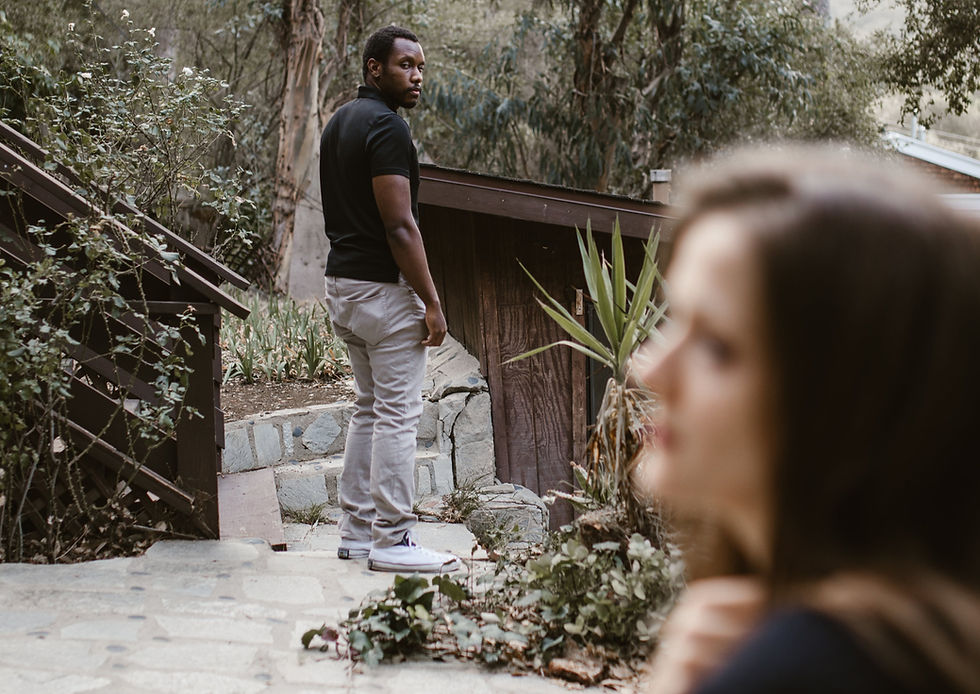
It is crucial to protect yourself when cutting off a narcissist. Their inability to process rejection and shame can lead to aggressive or even violent behaviour. Stalking, harassment, and other forms of manipulation are common tactics used by narcissists to regain control. If you feel threatened, seek legal protection and support from trusted individuals.

Not all narcissists will react with aggression or obsession. Some may attempt to rekindle the relationship through 'love bombing'—a tactic where they shower you with affection and promises of change. However, this is often a temporary phase designed to lure you back into their cycle of manipulation.

To truly move on, it is essential to maintain firm boundaries and avoid engaging with the narcissist. By cutting them off completely, you can protect your peace and begin to heal from their toxic influence.
If you found this information helpful, please give it a like below. Your support helps our community grow. Thank you!


Comments