
Why You Won't Feel Free Until The Narcissist Dies

Updated: 21 minutes ago

You went no contact. You blocked them. You moved on. At least, that’s what you told yourself. But something still feels wrong. There’s a weight on your chest, a voice in your head that still echoes their words. You may be physically free, yet somehow you still feel trapped. And you’re not alone. Many survivors say they never felt truly free until the narcissist was completely gone. In some cases, they say that didn’t happen until the narcissist died. It sounds harsh, even cruel, but for some survivors, this is how it feels. And there are ten reasons why.

1. The narcissist still lives in your mind. Long after the relationship ends, their voice can become internalised. Their criticisms, accusations and judgements continue to echo through your thoughts, shaping how you see yourself and how you move through the world. You may be free physically, but mentally, it can feel as though they still have control. You hear their voice when you make decisions, question yourself or wonder whether you are good enough. The relationship may have ended, but the psychological impact can remain.

2. They always seem to find a way back. They may use flying monkeys, create fake emergencies, send unexpected messages or wait until your guard has dropped before attempting another hoover. Even when they cannot directly reach you, the possibility of contact can keep you looking over your shoulder. You start anticipating the next message, the next smear campaign, the next accusation or the next attack. No contact may have stopped the communication, but your nervous system may still be waiting for what comes next.

3. The narcissist can infect your other relationships. Even after they are gone, the damage can ripple outwards. You question people, struggle to trust and become suspicious of anyone who reminds you of what you experienced. You can feel isolated because it seems nobody truly understands what happened. And sometimes the narcissist continues influencing people around you, spreading their version of events and turning others against you. Their presence can remain in your social world long after they have left your life.

4. There was never any real closure. There was no genuine apology, no accountability and no honest acknowledgement of what happened. Instead, there was chaos, confusion, denial and silence. You are left with unanswered questions and a story that never received an ending. That lack of closure can become a wound that never seems to heal because, somewhere in the back of your mind, there is always the possibility that they could return. As long as that door feels open, part of you remains on alert.

5. The emotional ties can remain. Even without contact, you can still feel a pull towards the person who hurt you. Some people describe this as a trauma bond, while others use language such as an energetic or emotional connection. Whatever language you use, the experience can feel very real. You know you have walked away, yet something inside you still feels connected to them. And for some survivors, that feeling remains until they finally reach a point where the person no longer has any emotional significance.

6. The narcissist can continue controlling the narrative. Even after the relationship ends, they may rewrite history and tell their version of events to anyone willing to listen. Family members, friends and sometimes even your own children can be exposed to a completely different story. While they remain alive and active in your wider world, you may feel that they still have the ability to influence how other people see you. And that can make it incredibly difficult to feel that you have truly escaped their control.

7. There can be unfinished business that keeps you connected. Legal disputes, financial entanglements, shared children, property or other unresolved matters can force continued contact. You may desperately want peace, but the conflict continues because there is still something connecting you to them. Every argument, every message and every new dispute can pull you straight back into the old dynamic. As long as there is something they can use to maintain leverage, it can feel as though they still have a hold over your life.

8. The narcissist can become a symbol of fear. They stop being just a person from your past and become associated with the worst moments of your life. The gaslighting, the confusion, the betrayal, the humiliation and the constant uncertainty can become deeply embedded in your memory. Sometimes, simply knowing that they still exist somewhere in the world can keep part of you in survival mode. You may no longer be around them, but your mind can still behave as though the threat is waiting around the corner.

9. Trauma does not understand time. Your body can continue responding to an old threat long after your mind knows that the relationship has ended. Five months can pass, or five years, and certain memories, situations or reminders can still trigger the same emotional response. You may know intellectually that you are safe, while another part of you is still expecting something terrible to happen. The narcissist does not have to be physically present for the effects of what happened to continue affecting you.
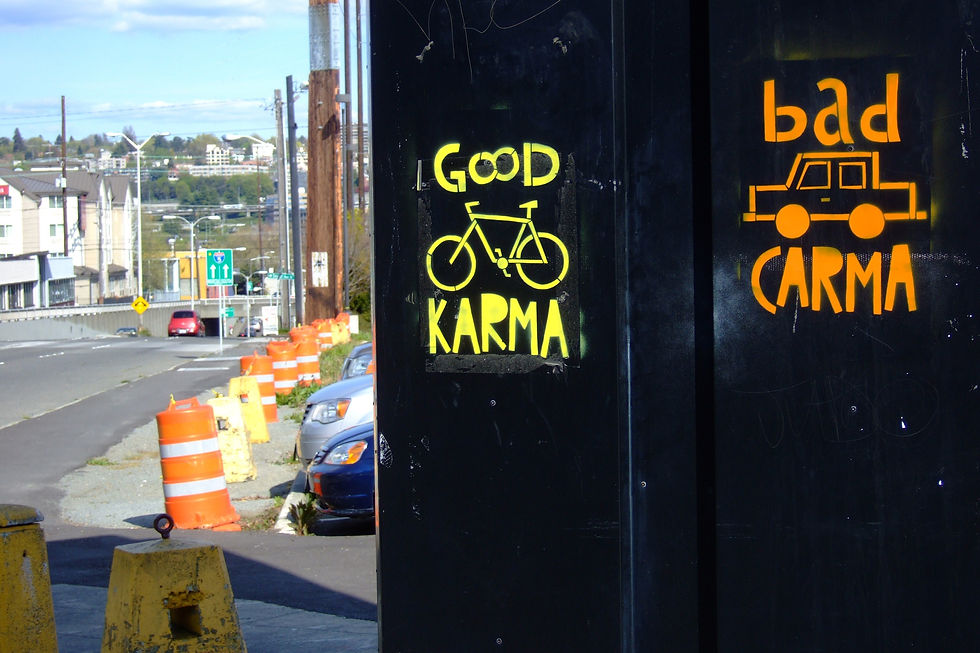
10. You are waiting for karma. You watch them appear to live freely, without consequences, while you are left carrying the damage. You may wonder how someone who caused so much pain can simply continue with their life as though nothing happened. You want justice. You want accountability. You want the world to finally recognise what they did. And sometimes you can become so focused on waiting for that moment that your own freedom becomes dependent on something you cannot control.

These are some of the reasons why survivors can feel that they will never be completely free until the narcissist is gone for good. Not simply out of sight, but completely out of their world. When someone has spent years affecting your thoughts, emotions, relationships and sense of safety, their absence can feel like the only thing powerful enough to finally bring peace. But here is the truth: you do not have to wait for them to die to become free.

Freedom does not begin when they are gone. It begins when you stop giving them power over your present. When you stop waiting for justice. When you stop needing an apology or closure that may never come. When you stop checking their social media, replaying the past or hoping they will finally become the person you needed them to be. You reclaim your life by turning your attention back towards yourself, healing what they damaged and learning to live for yourself rather than constantly reacting to them.

It will not happen overnight. It happens moment by moment and choice by choice. Eventually, you become stronger, clearer and less interested in what they are doing, thinking or saying. You reach a point where it no longer matters whether they are alive or dead because they no longer live inside your mind. That is when you know you are truly free. Not because they are gone, but because you have finally come home to yourself.
If you found this information helpful, please give it a like below. Your support helps our community grow. Thank you!


Comments